
Leuven, Belgium
The City
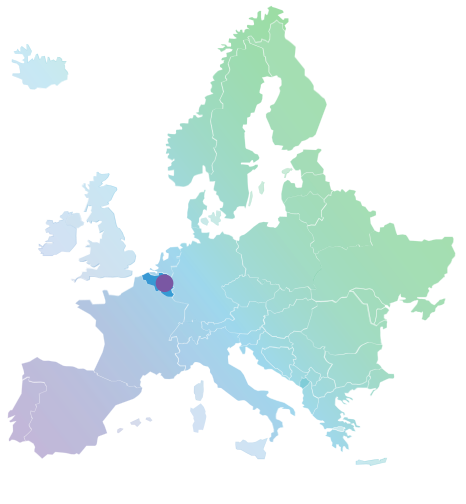
Leuven is a centrally positioned city both within Belgium and Europe. It is a historical city with a rich cultural heritage, known for its high-ranking university and Belgian beer. Leuven has become a dynamic international community, with over 170 nationalities and many students living in the city centre. In 2020, the city was elected as the European Capital of Innovation and offers several opportunities for co-creation.
The Pilot
Regeneration of former hospital site (Hertogensite)
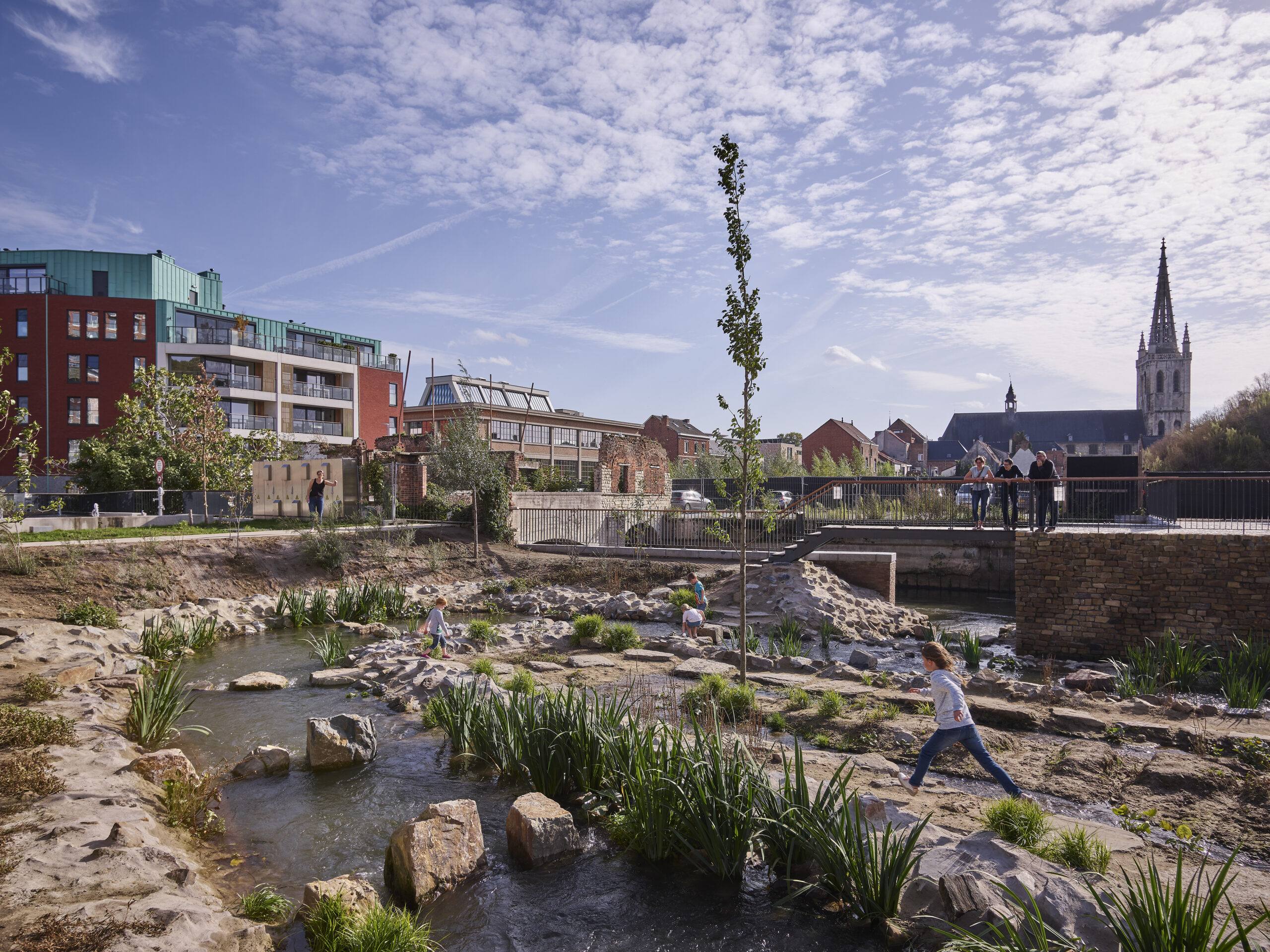
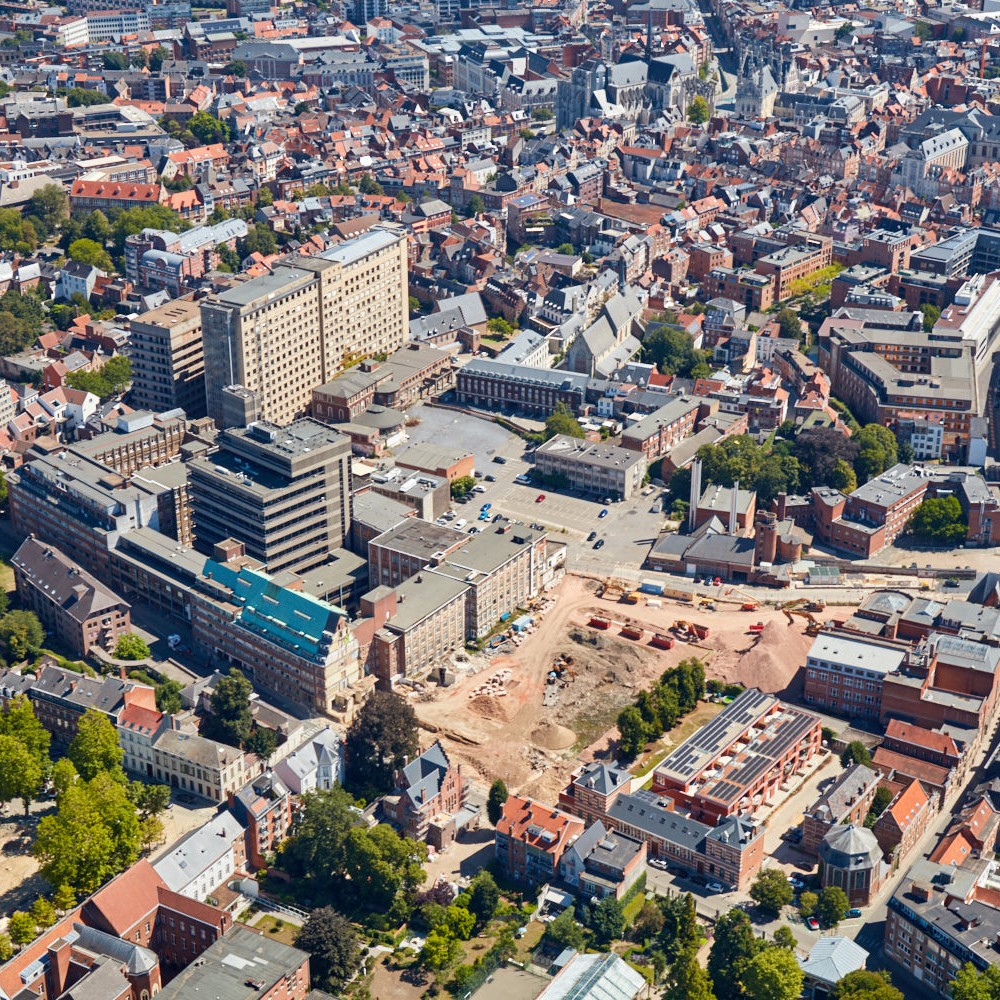
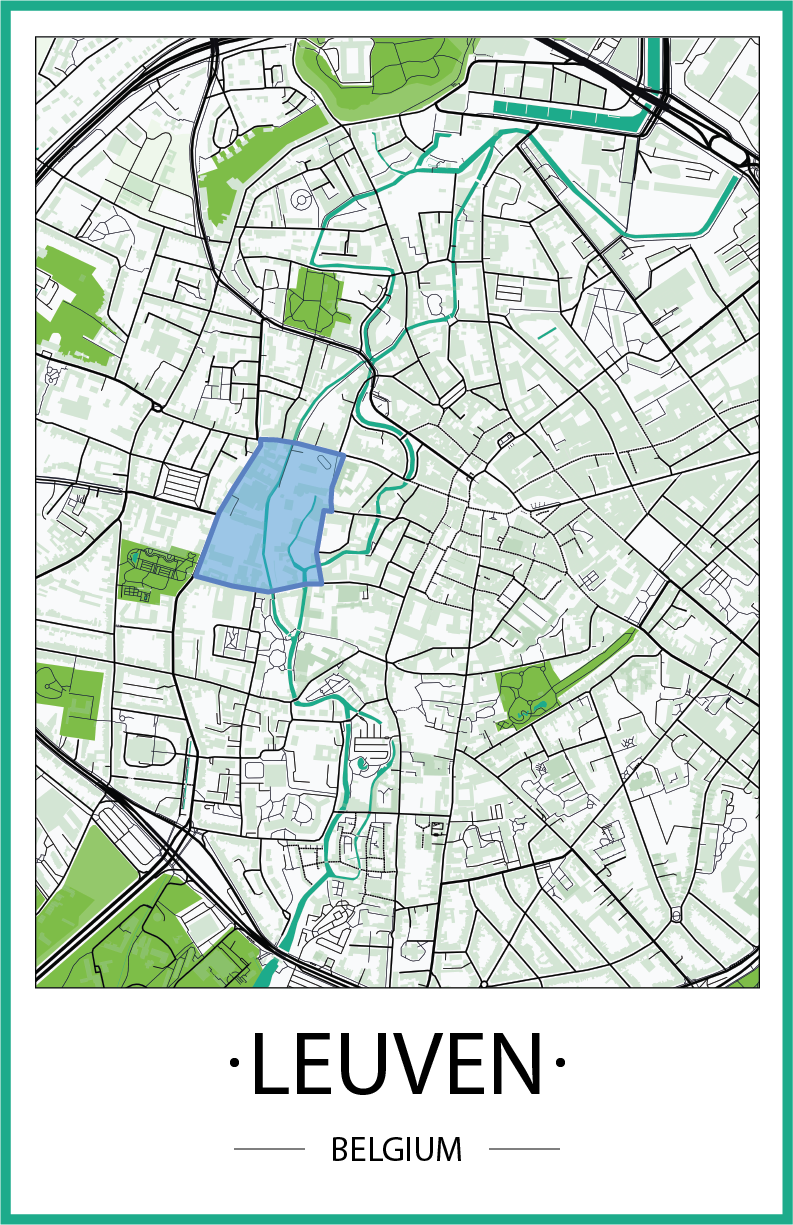
The pilot area for VARCITIES is a former hospital site in the medieval centre of the city called ‘Hertogensite’. This fully built area will be transformed into a green district, where the river the Dyle and the Aa will be re-opened and the connection between the city centre and the river landscape will be re-established.
The area will become a multifunctional neighbourhood with different housing typologies, economical functions like hotels, shops, restaurants and cafés and co-working spaces. Cultural attractions like the new performing arts hall for the city (with a capacity of 1500 spectators) and a museum site on the history and future of health care will be the heart of this area. The construction of several buildings has begun, just like the opening of the Dyle River. If all goes according to plan, the Dyle would be visible again by 2025 over a length of 300 meters. By 2026, most of the site should be finished.
VARCITIES will finance and develop five different Visionary Solutions in Leuven.
Several co-creation events were already organised:
- On June 24th 2021: the First Co-creation Workshop was organised online with 26 participants including 7 city officials from different domains (health, urban development, neighbourhood work …) and 19 external participants (citizens, developers, knowledge institutes, health sector, etc.)
- On November 25th 2021: the Second Co-creation Workshop was organised online with 20 participants including 5 city officials and 15 external participants from different domains.
- On June 12th 2022: the Town Hall Event was organised as part of the ‘Benedenstad op zondag’ (Downtown on Sunday) 2022 event. Around 300 people participated in guided tours across the Pilot site and 50 people visited VARCITIES’ information corner and interacted with a city official about the project.
The Visionary Solutions
Visionary Solution 1: Mobile urban living room for cultural activities

VELODROOM (c) Reinard Deman
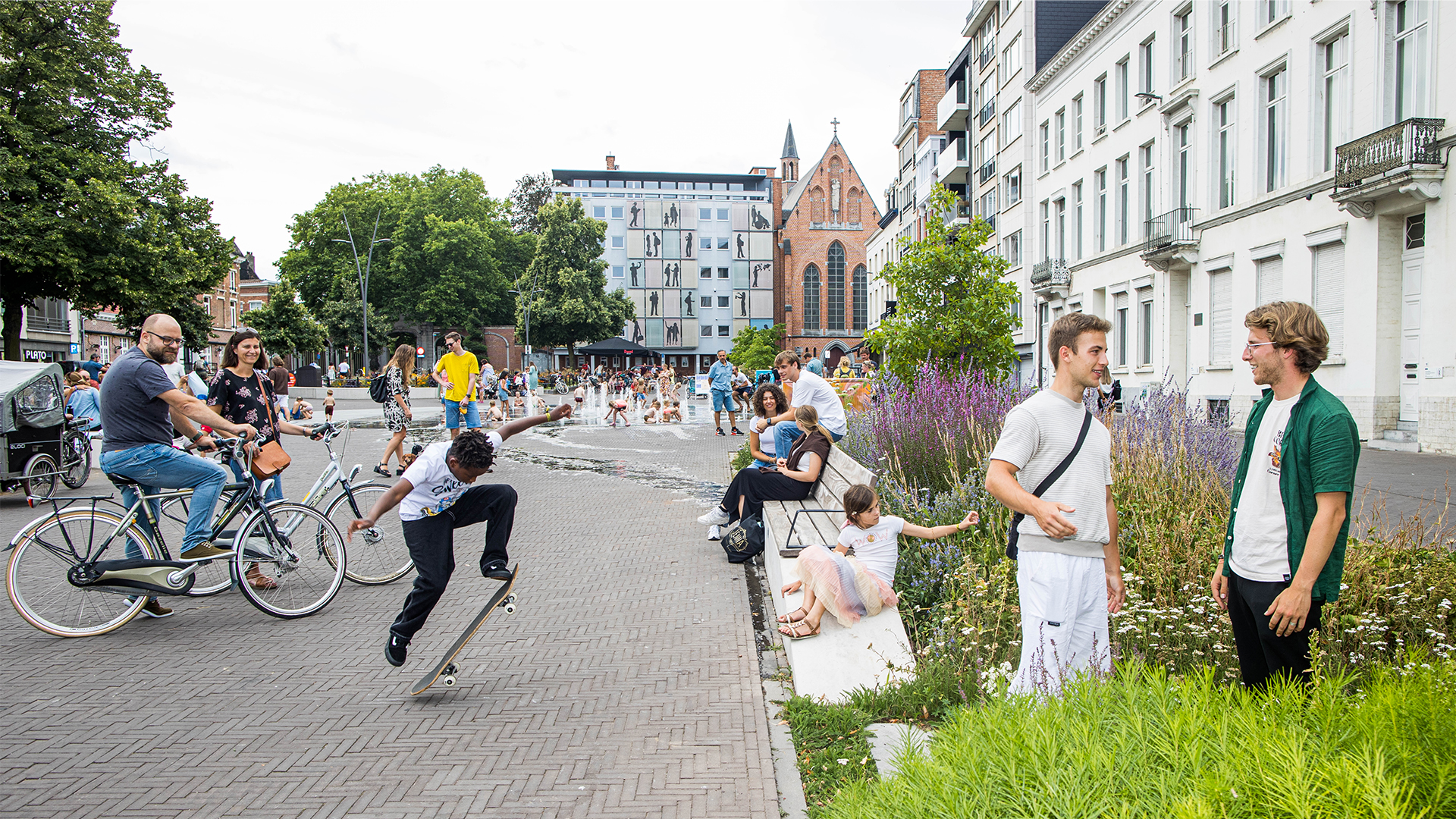
A mobile art installation unites meeting, cultural programming and movement, installed in place of the existing Velodrome in Leuven. It will be removed when the construction works start for the new performing arts building. The new VS1 will then replace the Velodrome on another location on the Hertogensite.
Timing: in February 2024 the installation will be built together with the neighborhood.
Visionary Solution 2: IoT infrastructure for smart lighting and noise measurements
A smart lighting pole with sound sensors will monitor noise. In case of possible noise pollution, high light intensity is triggered to modify on-going behaviour of people at the site.
Timing: the process to purchase the pole is underway. The installation depends on the ongoing construction works on Hertogensite.
Visionary Solution 3: Sensors for water quality measurements
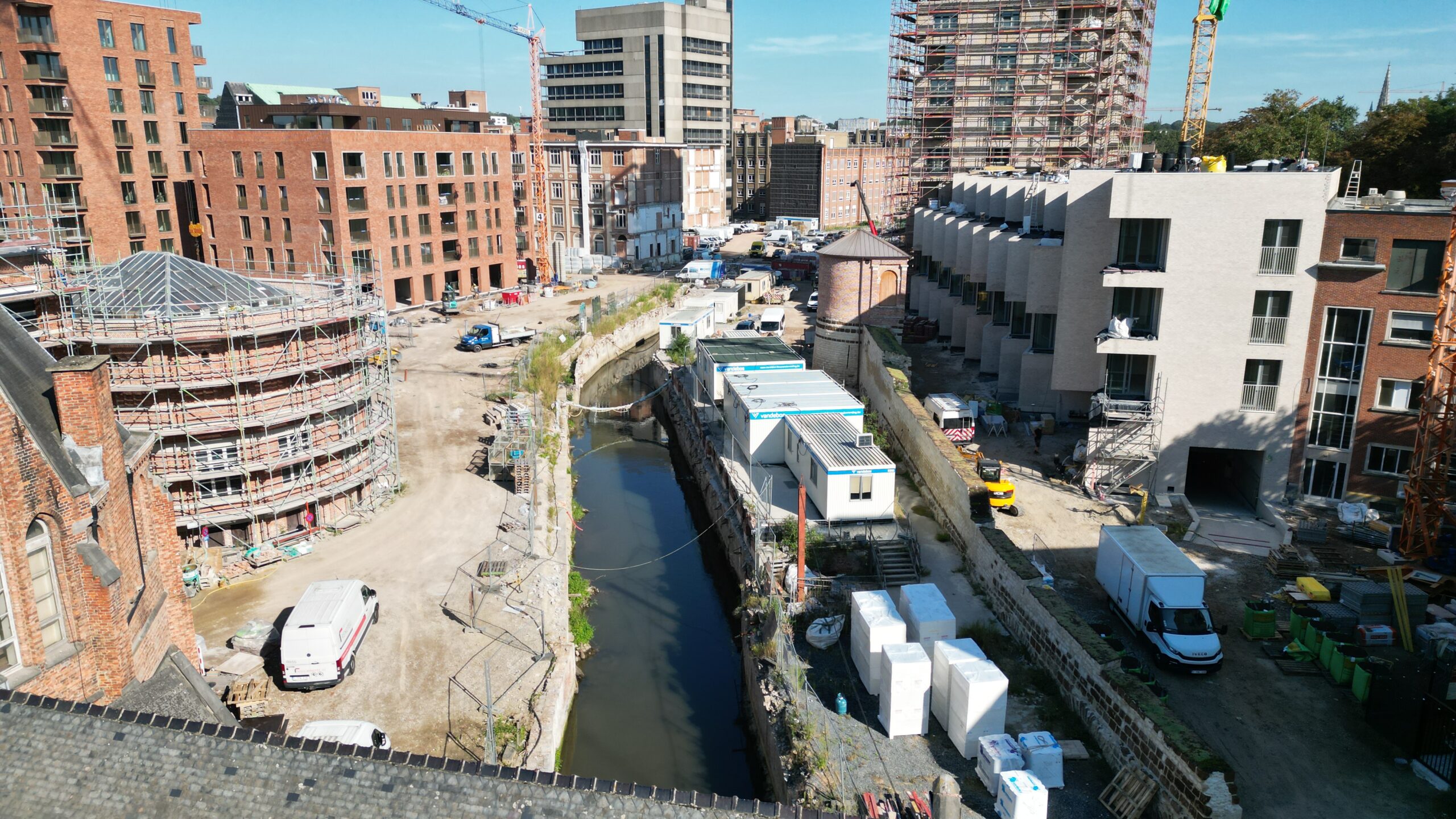
Water quality measurements in the Dijle river measure the effects of opening up the river and greening the banks.
Timing: the Dijle is already largely opened. Water quality monitoring started in November 2023.
Visionary Solution 4: Mobility sensors to measure pedestrian and bike flows
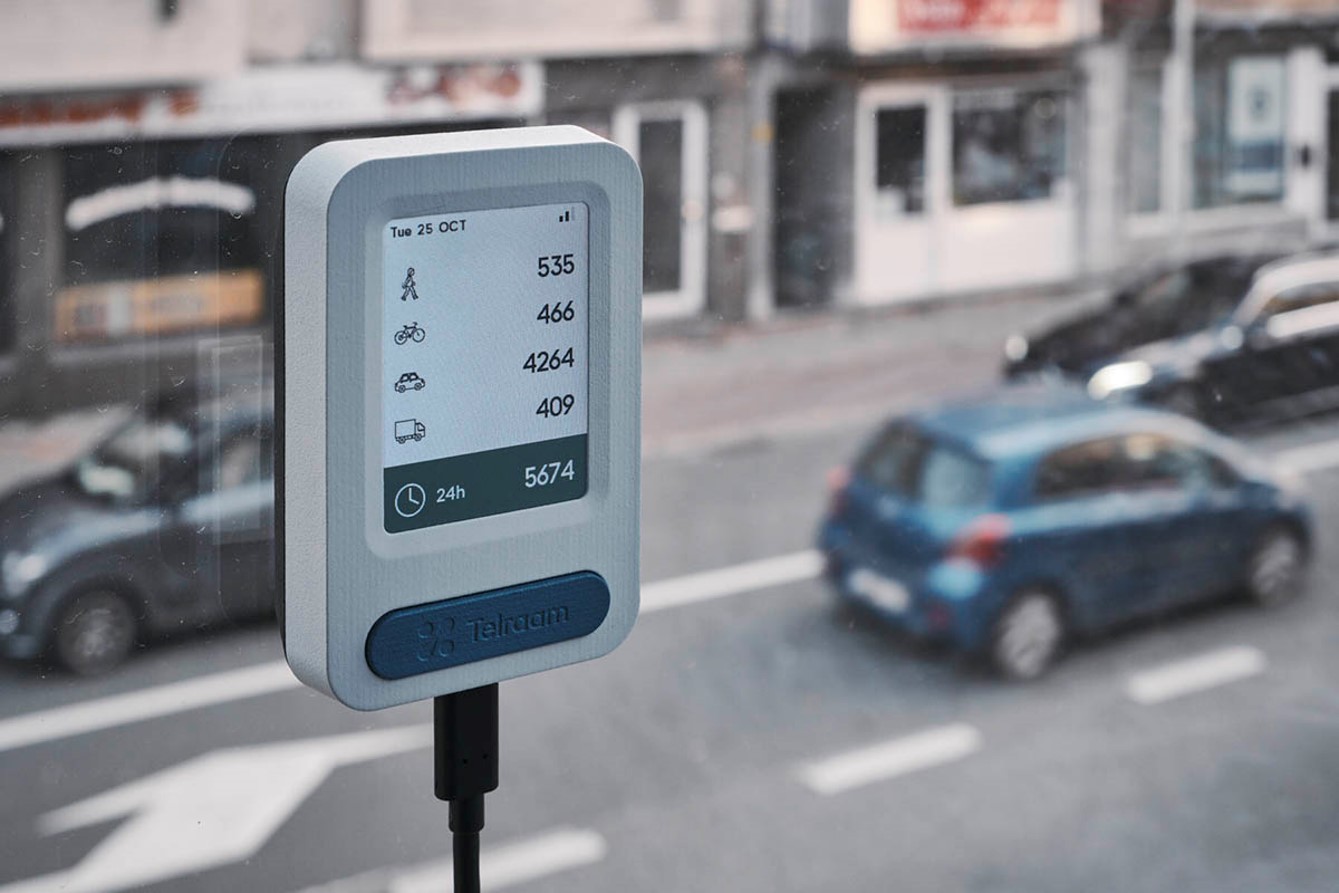
We measure the mobility flows of cyclists and pedestrians on the new connection between Kapucijnenvoer and Onze-Lieve-Vrouwstraat. The results feed into other projects and interventions in the public domain of the Municipality.
Timing: Telraam's (www.telraam.be) measuring devices have been measuring mobility flows since November of 2023.
Visionary Solution 5: Climate stations to measure local climatic conditions (air quality, air humidity, temperature, rainfall)
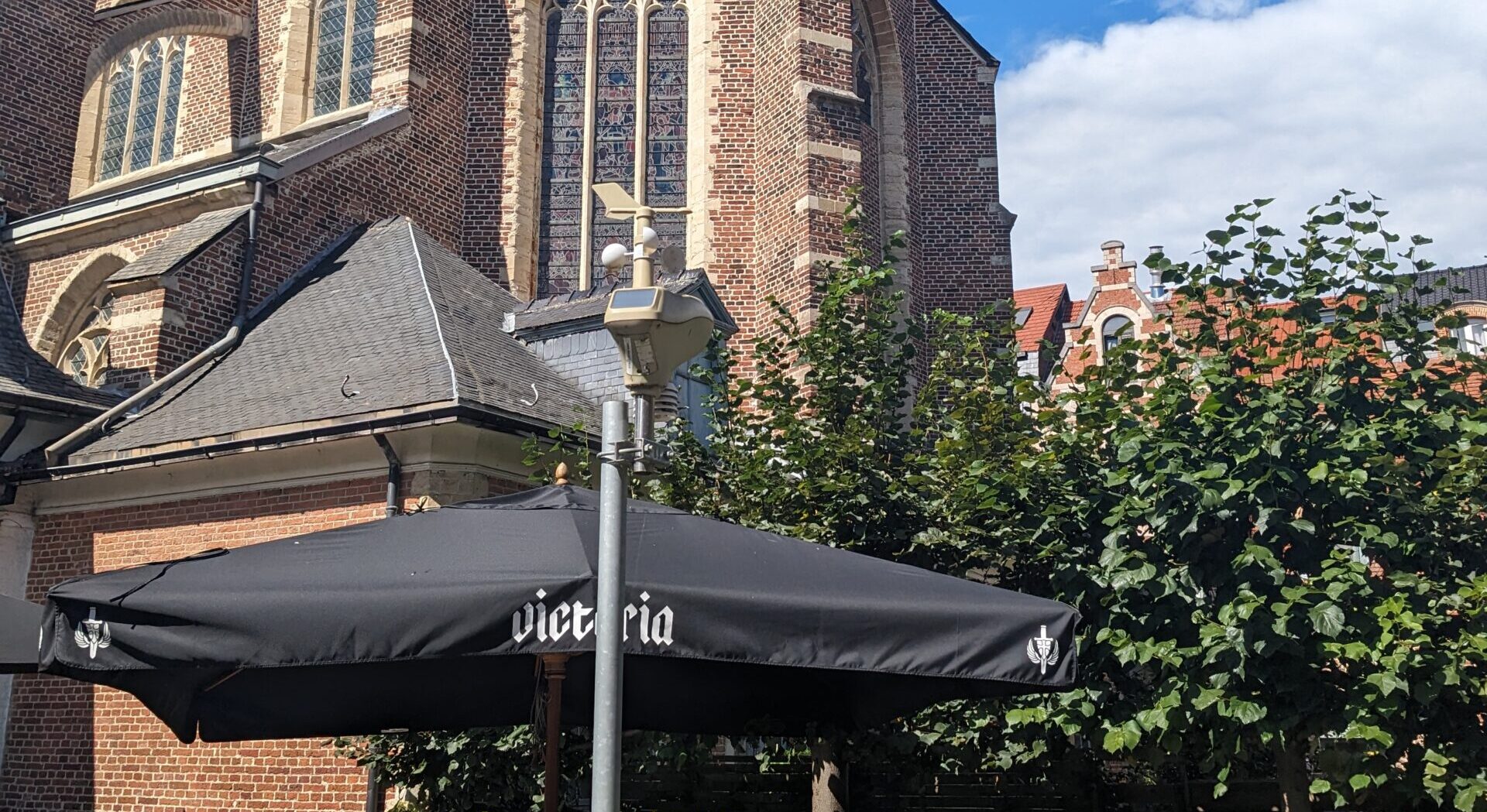
Climate stations in the new park measure local climatic conditions. We measure various climate parameters such as air quality, air humidity, temperature and amount of precipitation.
Timing: A first climate station is operational, soon a second station will also be installed. A total of 5 Sensedge sticks measuring heat, pressure, and relative humidity will also be installed.
